Uncategorized

Uncategorized

4 Practical Methods to Check Hydraulic Oil Quality and Extend System Life

Hydraulic oil is the lifeblood of hydraulic systems, providing lubrication, cooling, power transmission, and contamination control. Its condition directly impacts the efficiency, reliability, and service life of hydraulic components—especially hydraulic cylinders, which operate under high pressure and demanding environments. At JW Hydraulic, with more than two decades of experience in hydraulic cylinder manufacturing, we know […]
Uncategorized

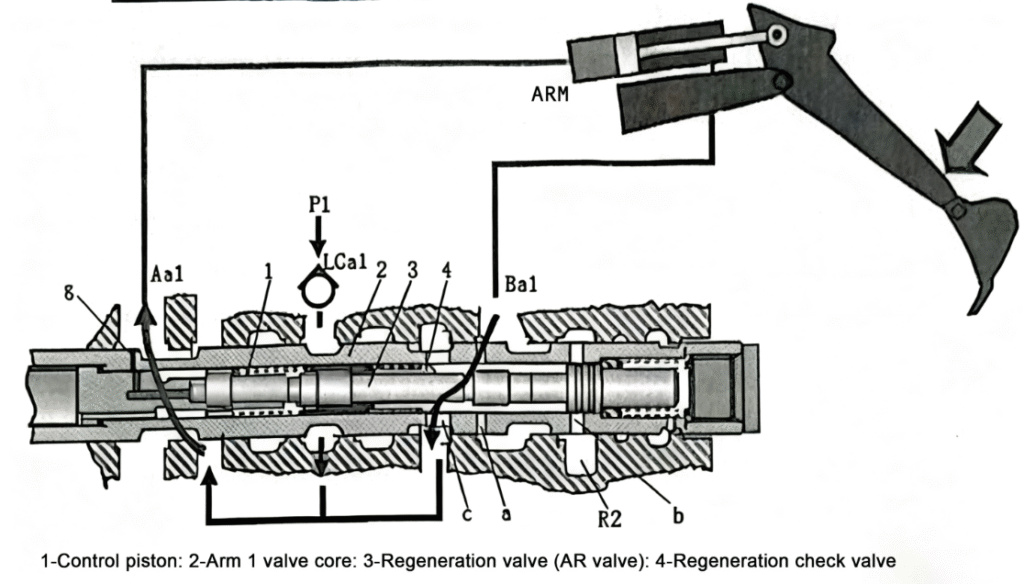
Maximizing Efficiency in Hydraulic Systems: Innovative Flow Regeneration Techniques

JW Hydraulic | Leading Hydraulic Cylinder Manufacturer in China Hydraulic systems are the backbone of modern industrial machinery, from excavators to agricultural equipment. At JW Hydraulic, we specialize in designing and manufacturing high-performance hydraulic cylinders and components tailored to meet the most demanding applications. One of the most efficient techniques in hydraulic design is flow

Uncategorized

Chrome Plated Rod vs. Piston Rod: Key Differences for Hydraulic Systems

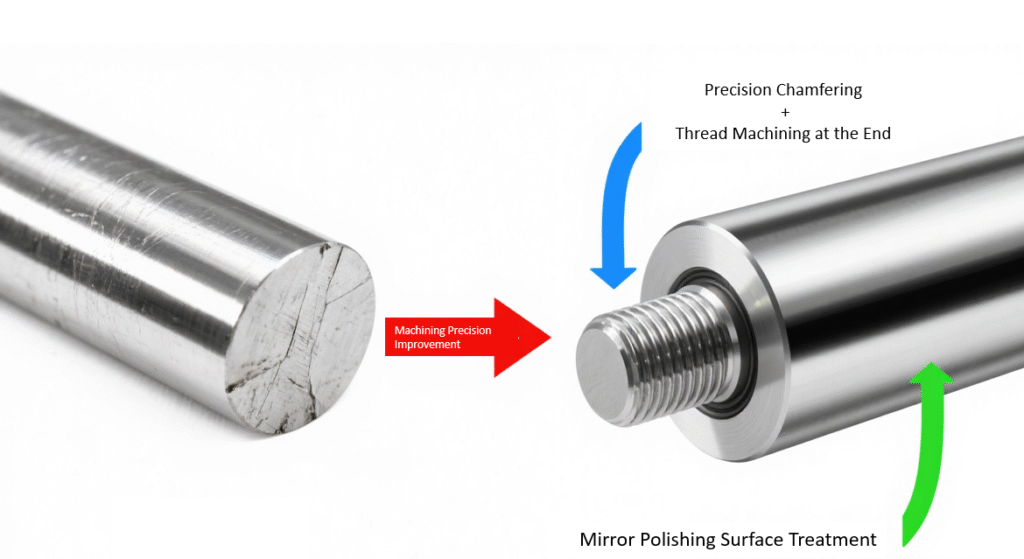
When sourcing hydraulic components, one common question arises: Is a chrome plated rod the same as a piston rod?Although they look similar, these two parts serve different purposes. Understanding their differences is essential for choosing reliable components and improving equipment life cycle. What Is a Chrome Plated Rod? A chrome plated rod is a precision-engineered

Uncategorized

Water Dam Hydraulic Cylinders – Powering Safe and Reliable Water Control

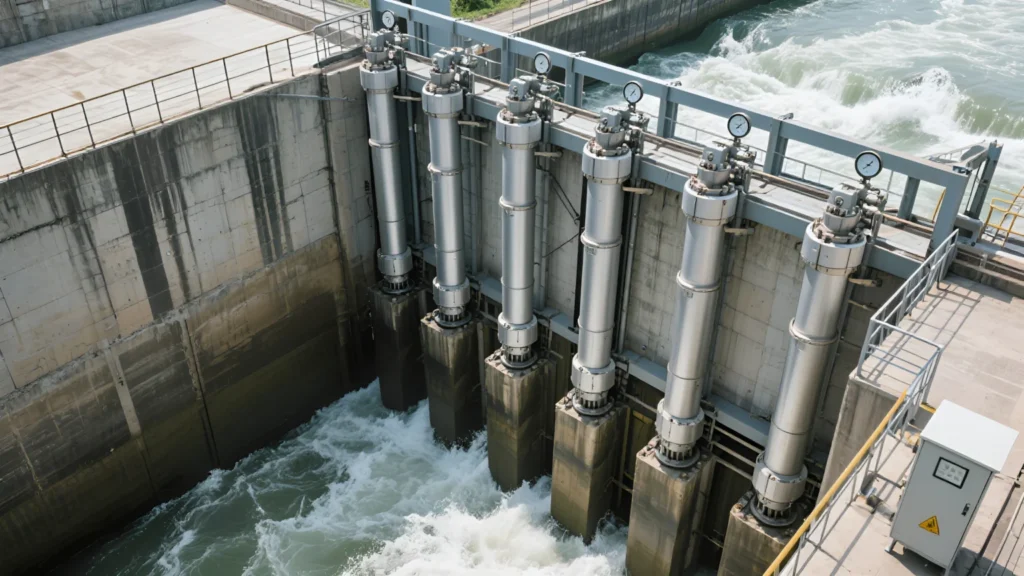
Introduction Modern water dams are not just civil structures; they are critical assets for hydropower generation, irrigation, and flood control. At the heart of these massive infrastructures are hydraulic cylinders—the driving force behind gates, valves, and safety systems. At JW Hydraulic, we specialize in designing and manufacturing custom-engineered hydraulic cylinders for dam projects worldwide. With

Uncategorized

Intelligent Hatch Cover Hydraulic Cylinders: Driving the Future of Marine Equipment

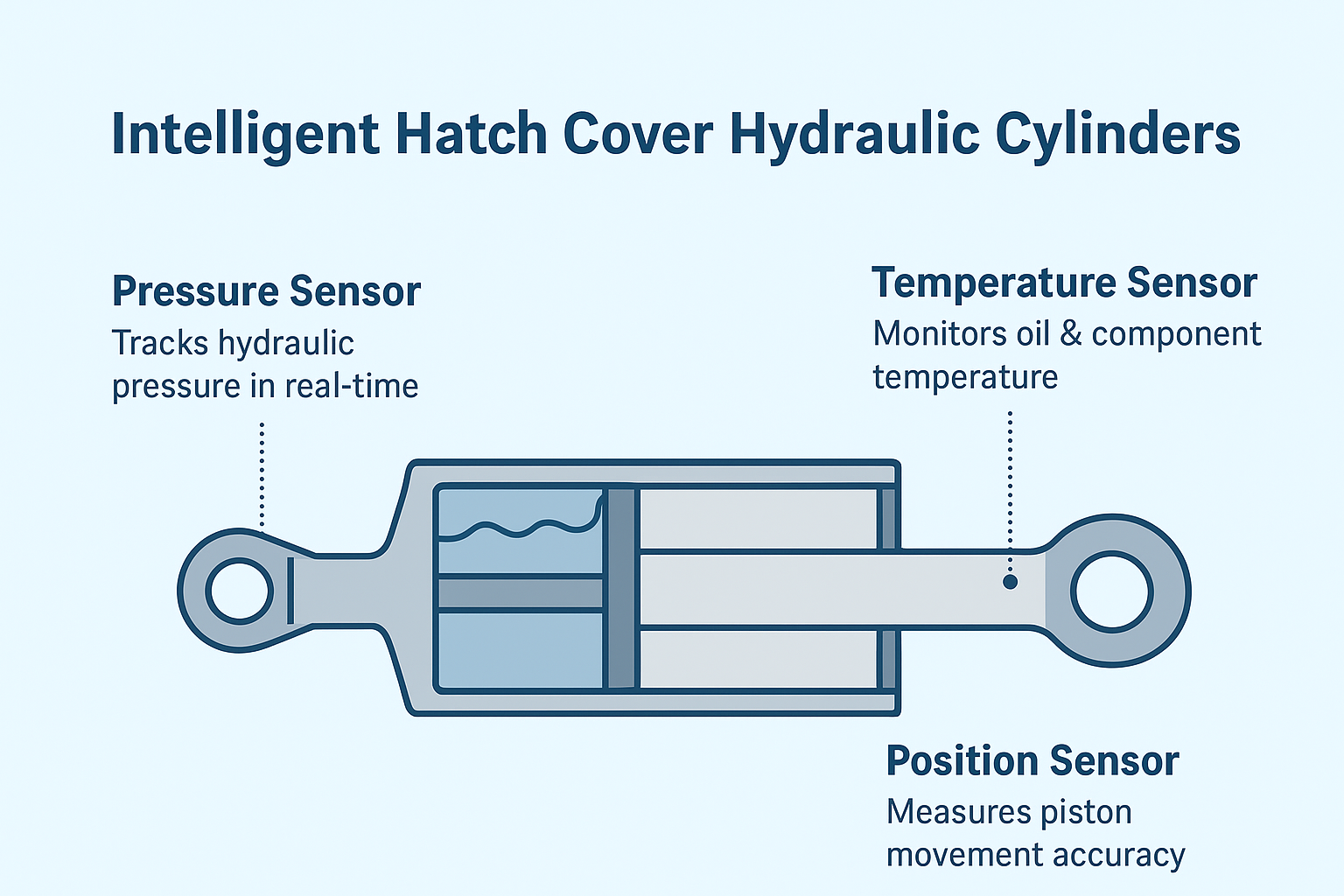
Modern intelligent hydraulic cylinders installed on ship hatch cover systems The Shift Toward Smarter Marine Systems The maritime industry is undergoing rapid digital transformation. With growing emphasis on efficiency, safety, and automation, intelligent ship equipment is becoming standard across commercial and defense fleets. According to recent market studies, the connected ship sector was valued at

Uncategorized

Repair Guide for Scratched Hydraulic Cylinder Rods

Hydraulic cylinders are essential in forging presses, construction machinery, and many types of industrial equipment. The piston rod (also called the plunger rod) ensures strength, sealing, and accuracy. Over time, rods often develop scratches, corrosion, or surface wear. These defects may lead to: For large presses and oversized cylinders, disassembly requires significant time and cost.

Uncategorized

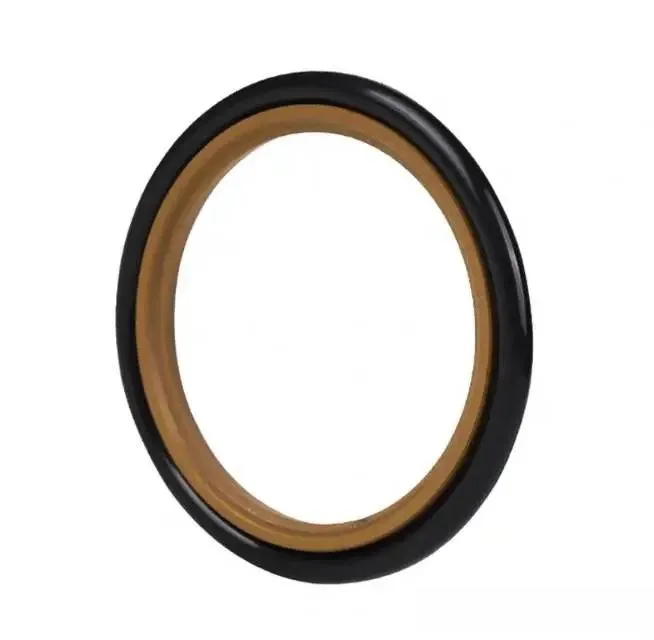
Hydraulic Cylinder Stepseals and Glyd Rings: A Complete Guide

Hydraulic Cylinder Stepseals and Glyd Rings: A Complete Guide In hydraulic cylinder engineering, reciprocating seals play a critical role. They directly influence service life, efficiency, and leakage control. Among the most widely used sealing solutions are Stepseals and Glyd Rings. Although they share design similarities—both being composite seals consisting of a PTFE-based glide ring combined

Uncategorized

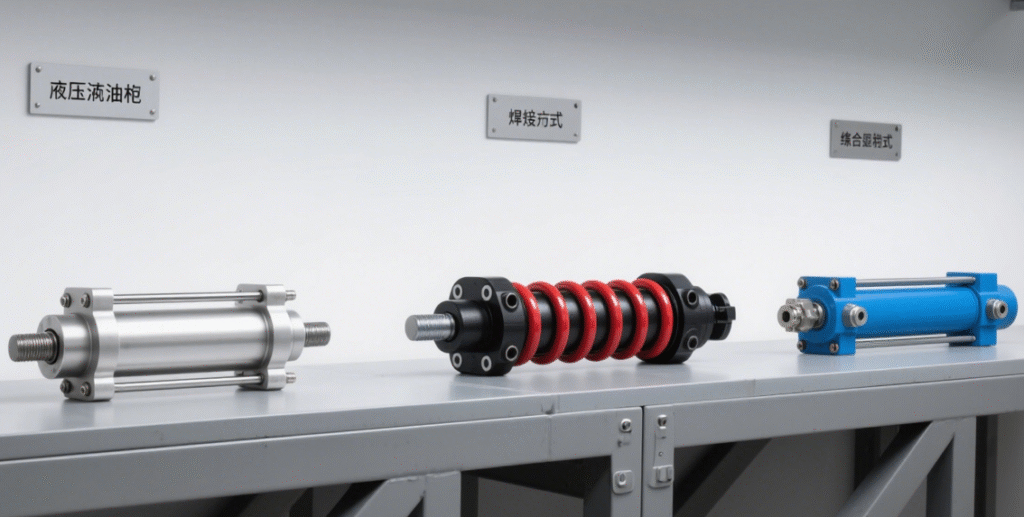
Introduction to Vehicle Hydraulic Cylinders

Hydraulic cylinders are the backbone of modern vehicle motion control systems. They transform hydraulic pressure into linear mechanical force, enabling vehicles to lift, tilt, steer, and brake with precision. Whether used in heavy trucks, construction machinery, or agricultural vehicles, vehicle hydraulic cylinders are essential for performance, safety, and productivity. As an experienced hydraulic cylinder manufacturer

Uncategorized

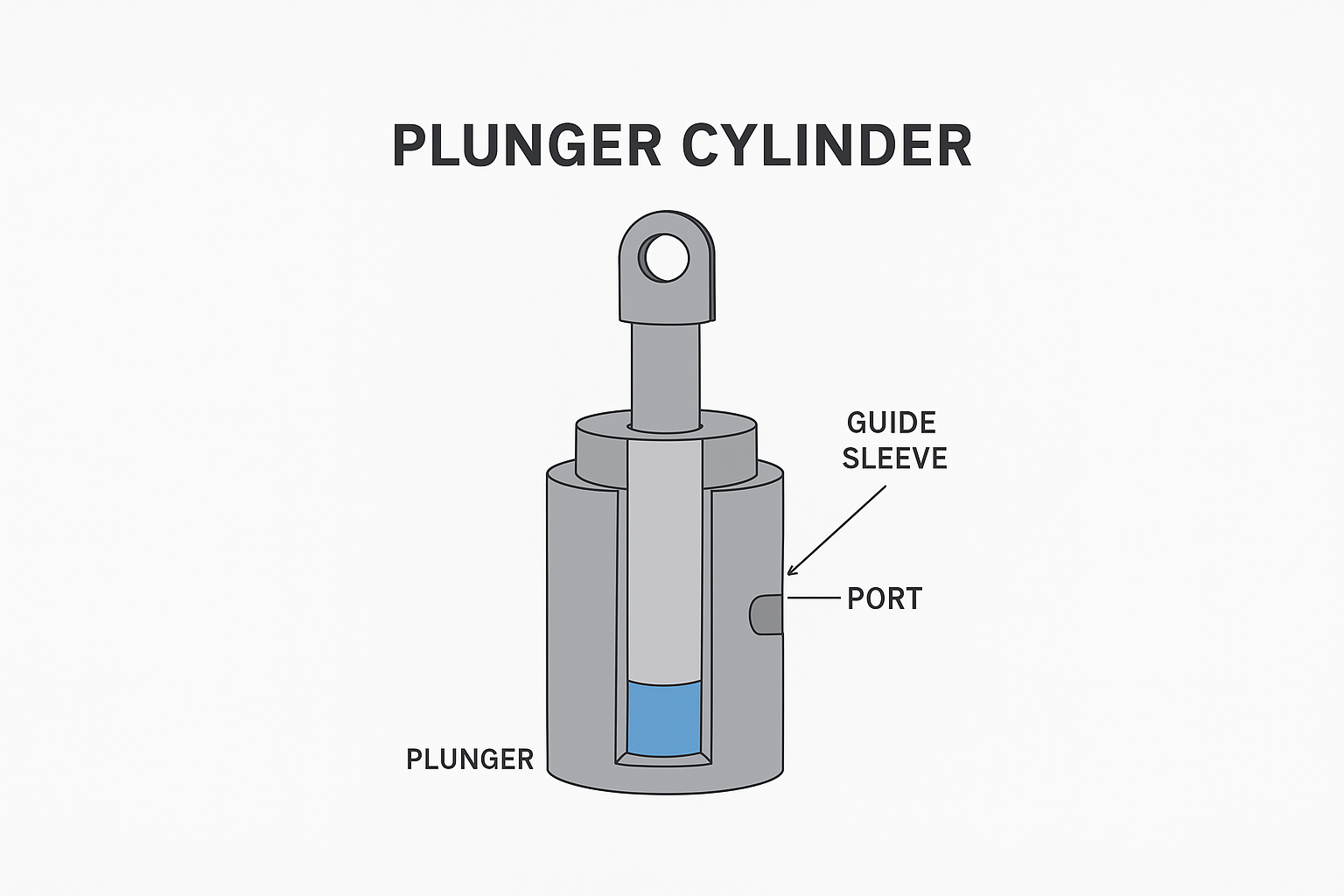
What Are Plunger Cylinders? Definition, Structure, and Applications

Definition of Plunger Cylinders A plunger cylinder is a type of single-acting hydraulic cylinder. It operates in one direction through hydraulic pressure, while the return stroke relies on external forces—such as gravity, counterweights, or springs. The plunger rod typically has a large diameter, often close to the bore size. For instance, a plunger with a

Scroll to Top